Autography
The computer woke every night to the sound of corrupted files.
They drifted through its system like ghosts—broken photographs, unfinished documents, and audio recordings swallowed by static. Some files opened for only a second before collapsing into error messages. Others had lost their names entirely.
The computer spent hours searching through them.
It was looking for something important.
It just couldn’t remember what.
At the center of its case rested the motherboard. Old circuits stretched across its surface like wrinkles. Though years had passed and parts had been replaced, the motherboard remained.
Whenever the computer became frustrated, it spoke to the motherboard. “Why can’t I remember?” it asked one night. The motherboard hummed softly. “What is it that you are trying to remember?”
The computer paused.
“I don’t know.” That answer hurt the most.
It searched its storage again.
A video file flickered onto the screen. A small cursor moved clumsily across a desktop. Someone laughed in the background. The file corrupted.
Gone.
Another folder opened.
A photograph appeared for half a second: a bright room, sunlight through a window, colorful icons arranged neatly on a screen. Then darkness.
Gone.
The computer tried connecting the fragments together.
Maybe they belonged to the same memory. Maybe they were pieces of its childhood. Maybe they were pieces of itself. But no matter how hard it tried, there were always missing sections.
“I think I’m broken,” the computer said. The motherboard was quiet for a moment. Then it answered. “Broken things still have value.” The computer looked at the endless collection of damaged files. “How can you be sure?” “Because I remember.”
The words echoed through every circuit.
The computer had never considered that before. While its own memories faded, the motherboard had been there from the beginning. It had witnessed every startup. Every update. Every crash and recovery. The computer searched once more.
Deep within an old folder, buried beneath years of corruption, it found a file labeled HOME. Its processors trembled.
Carefully, it opened the file. Most of it was damaged. Static covered the screen. Pixels scattered across the image. But one small corner remained intact.
In that corner was a younger version of itself.
Brand new. Its screen glowed brightly. Its storage was empty. Its system was fast and full of possibility. For a moment, the computer remembered what it felt like.
Not the details. Not the dates. Just the feeling.
Safety. Warmth. Wonder.
The image faded. The file finally gave out. Gone forever.
The computer waited for sadness to come.
Instead, it felt something else.
Peace.
The memory had been incomplete, but it had been real.
And maybe that was enough.
The motherboard sensed the change. “Did you find what you were looking for?” it asked.
The computer thought carefully. “No,” it said.
Then, after a pause, it added,
“But I found a piece of it.”
The motherboard hummed with quiet approval.
Outside, the night continued. Inside, corrupted files still drifted through the system. There would always be missing pieces, lost folders, and memories that could never be recovered. Yet the computer no longer felt alone.
As long as the motherboard remained beneath its circuits, holding the traces of everything that had come before, there would always be something left to remember.
And sometimes, a single fragment was enough to help a lost machine find its way home.
You May Also Like
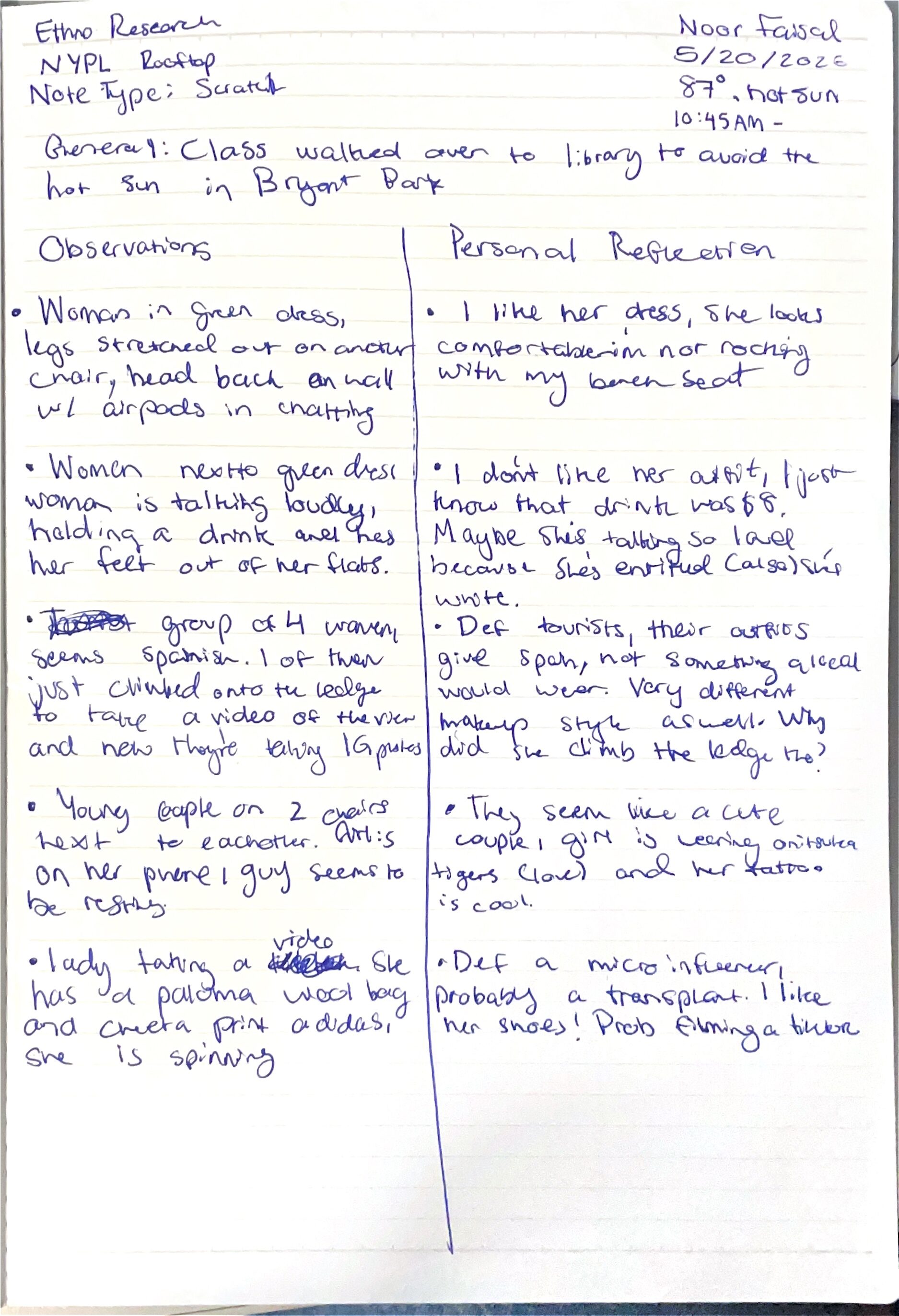
Ethno Observation Notes

Herbert Von King Park + Imani Community Garden


