Blog 9
For the first part of this week in English Composition II, the class focused on the topics of critique, argument, and rebuttal. On Monday, we read the work titled “A Moral Education” by Garth Greenwell. We also discussed how to create arguments for an opinion piece and how to address counterarguments. This was helpful because when writing a research essay, it is important not only to state the facts. It also matters to show the understanding of another party’s stance and prove one’s position. Also, during Monday’s classes, we had an opportunity to revise our assignments on the Experimenting Autobiography project. This task required an approach towards essay writing which differed from the conventional one. On Wednesday, the students continued reading “A Moral Education” and discussed discomfort in art.
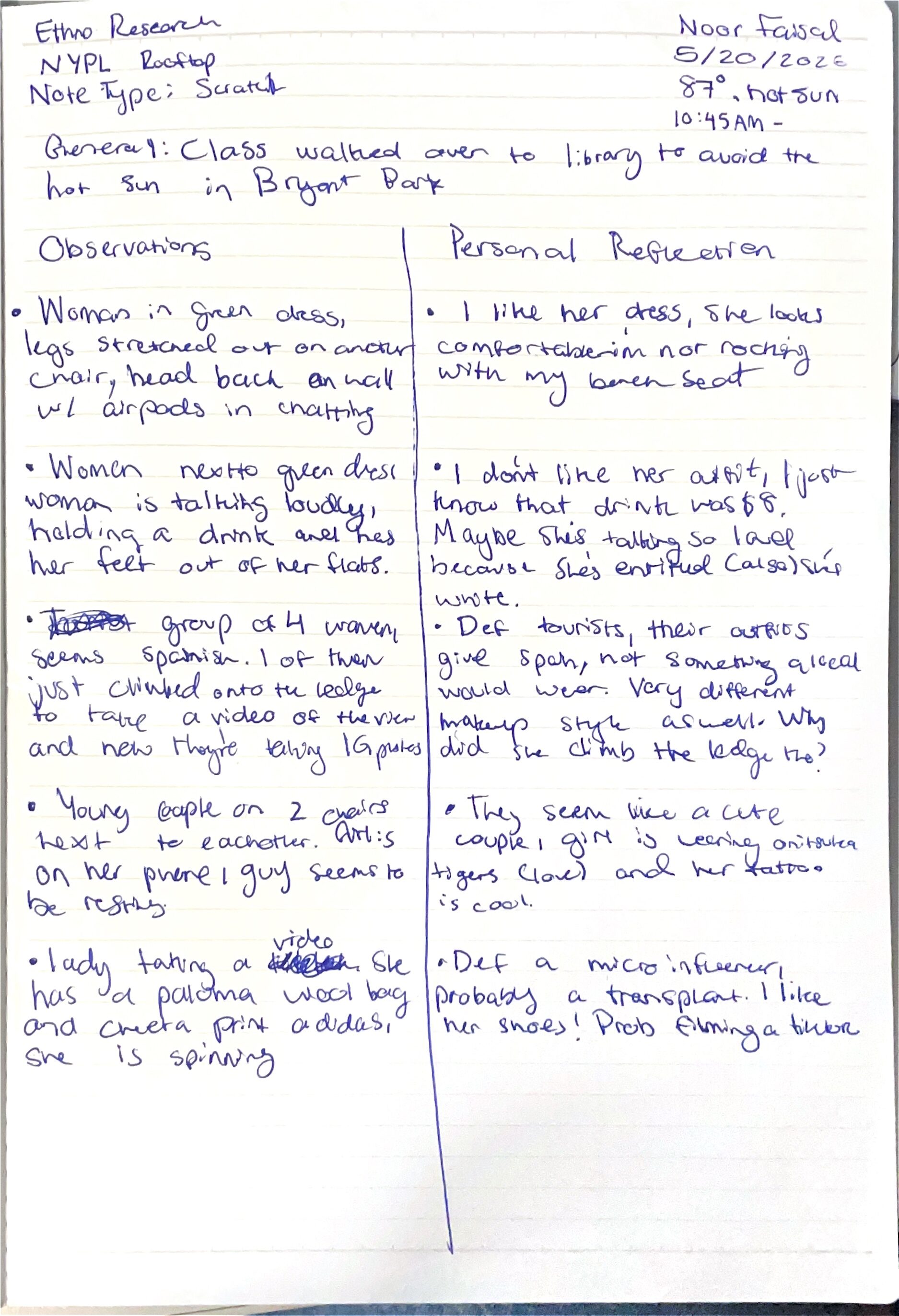
During the lectures in Ethnographic Methods at Work, we concentrated on the topics of debt, data, and myth of barter. We read extracts from Debt: The First 5,000 Years and watched an interview with David Graeber about his findings regarding the debt problem. Prior to this class, I perceived debt as something purely financial. However, the discussions revealed that this topic is much more complex and relates to morality and even the distribution of power. In addition, we watched The Myth of Barter in which I learned that societies are usually depicted as beginning from a system of barter which evolved into currency. This image of history made me wonder how history is written and what effects it has on the development of economic ideas. On Wednesday, we discussed data collection and coding in the context of ethnography. I was interested to learn that data is not always associated with statistics. In ethnography, it refers to field notes, interviews, observation, and behaviors of study participants.